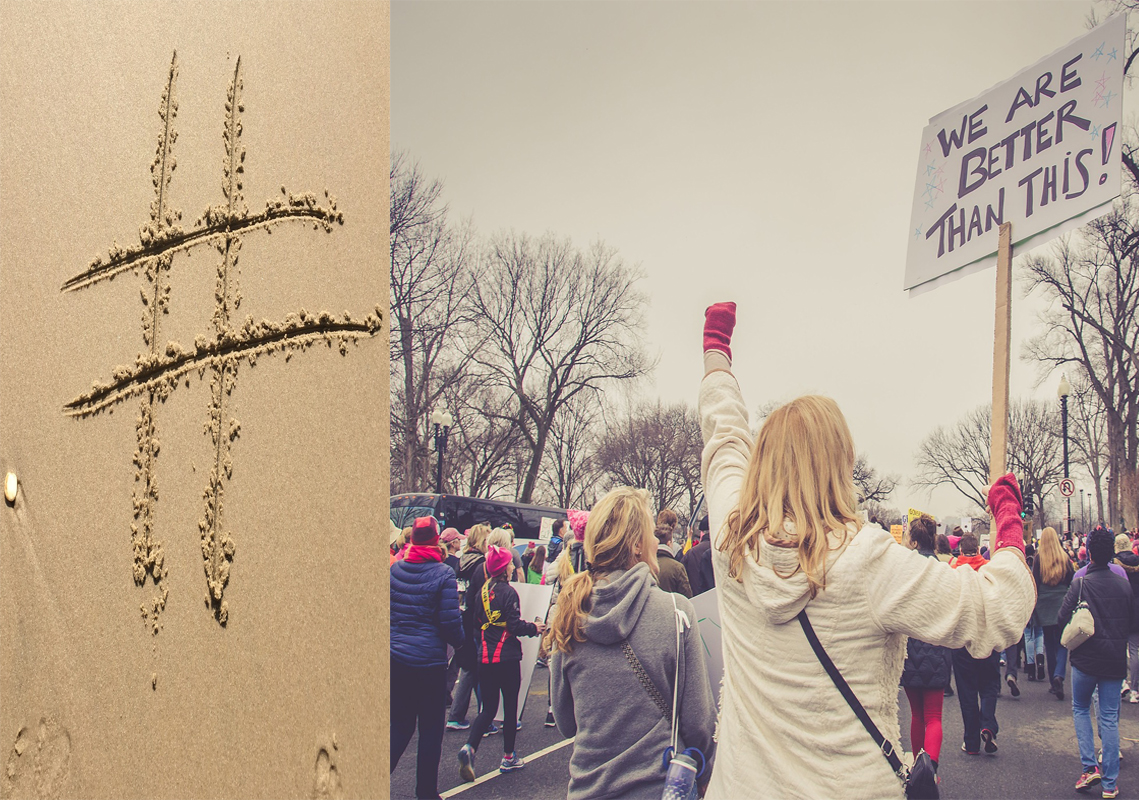
Activism: Noun
“the doctrine or practice of vigorous action or involvement as a means of achieving political or other goals, sometimes by demonstrations, protests, etc” (dictionary.com)
Digital activism takes the principals of the traditional definition of activism above, but uses digital tools such as smartphones, the internet, social media, blogging and online petitions sites like Change.Org, MoveOn.org and GetUp.org.au.
Edwards et al (2013, p. 4) further defines digital activism campaigns “as an organised public effort, making collective claim(s) on a target authority(s), in which civic initiators or supporters use digital media”.
We’re in a time of digital revolution, where the affordances of social media have reinvented activism and digital technologies have increased digital citizens interest and awareness in the fight for political and social change (Sivitanides 2011, p. 1).
According to the latest Hootsuite report, there are over 5 billion unique mobile phone users, over 4 billion internet users and more than 3 billion active social media users, with the average user spending 5 hours a day on social media (Danno 2019). With these digital tools a campaign has the potential to reach thousands of interested digital citizens in a very short time and there is power in numbers.
The #BlackLivesMatter and #MeToo movements are examples of effective global digital activism campaigns. For further insights, articles by The Conversation and The Guardian reflect on the responses to these movements.
However, there are naysayers who dismiss digital activism as ‘slacktivism’ or ‘clicktivism’ seeing it as people just supporting a cause with one click, but not really participating. Writer Malcolm Gladwell (2017) argues that society has an “outsized enthusiasm for social media” and we’ve “forgotten what activism is”.
What Gladwell clearly overlooks, is that digital activism and traditional activism complement each other and overlap to create awareness and empowerment. Studies have shown that the use of digital tools by groups has led to drawing people out into the streets to protest, demonstrating that digital activism does have a positive impact. (Edwards et al 2013, p. 4)
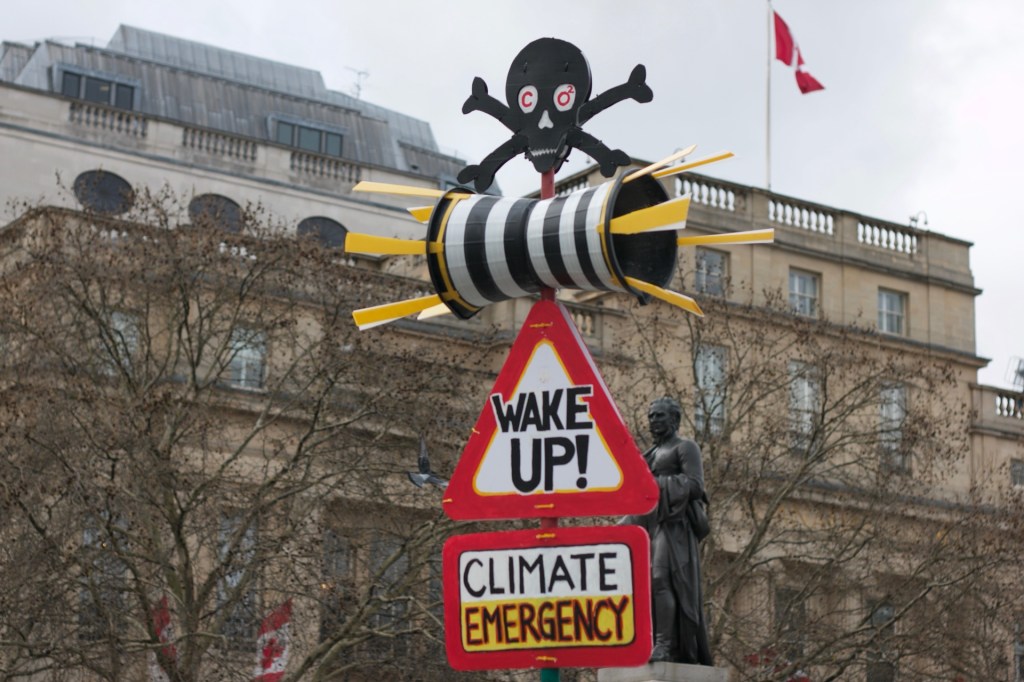
In 2018, Swedish teenager, Greta Thunberg used social media to broadcast her three week protest on the steps of parliament against the lack of action on climate change matters.
She went viral with her hashtags #FridaysForFuture and #ClimateStrike inspiring thousands to join the cause (FridaysForFuture.org 2019).
There are now organised climate strike groups in 29 countries with students, parents and teachers regularly taking to the streets demanding action on climate change.
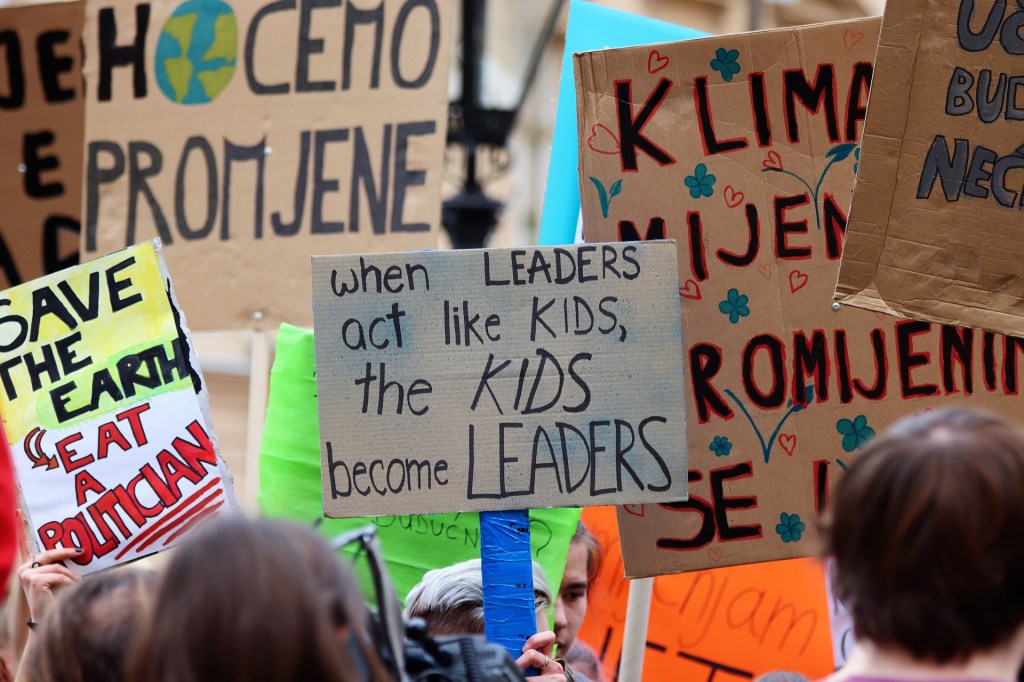
The Australian arm of SchoolStrike4Climate has been instrumental in uniting students across the country who are concerned about the environment and the future of the planet.
While the Federal Government has been critical of students missing school to attend these protests, Victorian Premier Daniel Andrews said, ‘he wouldn’t mind if his three children took part’ (Cook 2019).
The Age newspaper spoke with several students after the March 2019 protest to ask why they were participating and it’s interesting to read about their concerns.
The Melbourne protests pass near my workplace, and while impatient drivers honk their horns at the protestors in frustration, I smile at them with admiration and respect. Watching these passionate, future voters march towards parliament is inspiring. There is still hope for the world.
The next global climate strike rally is being held on 20 September 2019.
References:
Activism, 2019, Dictionary.com, <https://www.dictionary.com/browse/activism?s=ts>.
Cook, H. 2019, ‘Thousands of students skip school for climate change protests’, The Age 15 March 2019, viewed 30 August 2019 <https://www.theage.com.au/national/victoria/thousands-of-students-skip-school-for-climate-change-protests-20190315-p514m8.html>.
Danno, M. 2019, ‘Digital 2019: Australia Social Media Usage is Growing’, Wearesocial.com, viewed 25 August 2019, <https://wearesocial.com/au/blog/2019/02/digital-report-australia>.
Edwards, F, Howard, N & Joyce, M. 2013, ‘Digital Activism & Non-Violent Conflict’, Available at SSRN: https://ssrn.com/abstract=2595115, <http://dx.doi.org/10.2139/ssrn.2595115>.
Gladwell, M. 2010, ‘Small Change, why the revolution will not be tweeted’, The New Yorker 27 September 2010, viewed 18 August 2019, <https://www.newyorker.com/magazine/2010/10/04/small-change-malcolm-gladwell>.
Guardian News 2019, [Video], ‘Greta Thunberg joins hundreds of teenagers in climate protest in New York’, in YouTube <https://www.youtube.com/watch?v=8meLjb6XIsE>.
Nine News Australia, 2019 [Video], ‘School students protest against climate change inaction’, <https://www.youtube.com/watch?v=ofYwSASWCe4>.
Sivitanides, M. 2011, ‘The era of digital activism’, EDSIG 2011, CONISAR Proceedings, v4 n1842, viewed 20 August 2019, <https://pdfs.semanticscholar.org/ebb2/38b876ccfaf461c3b829261936ef0f6fd33d.pdf>.
Images:
Hashtag footprint [Image], in Pixbay, Yourschantz 2015, viewed 30 August 2019, <https://pixabay.com/photos/blog-blogger-blogging-internet-970723/>.
Climate Emergency [Image], in Pixabay, Kevin Snyman 2019, viewed 31 August 2019, < https://pixabay.com/photos/climate-emergency-school-strike-4193110/>.
Kids Protest [Image], in Pixabay, Goran Horvast 2019, viewed 31 August 2019, <https://pixabay.com/photos/school-strike-4-climate-4057783/>.
We are better than this [Image], in Pixabay, StockSnap 2017, viewed 30 August 2019 <https://pixabay.com/photos/people-woman-rally-protest-unite-2575608/>.
 Rebecca Fairley